Short summary
After an earthquake, determining if a building is safe to occupy is critical, yet traditional inspections are slow, costly, and often overly cautious. These delays lead to prolonged downtime, unnecessary disruptions, and financial strain for owners and occupants.
SenseiQ revolutionizes post-earthquake safety assessments. Unlike conventional sensors that measure only acceleration—offering limited insight into actual damage—SenseiQ captures inter-storey displacement, the most direct and reliable indicator of structural performance.
By providing precise, real-time data on a building’s response to seismic activity, SenseiQ enables engineers and building managers to make fast, informed decisions. This breakthrough technology helps you:
- Minimize downtime with rapid safety assessments
- Cut inspection costs through targeted, data-driven evaluations
- Improve confidence in post-earthquake decisions
Read more below about why SenseiQ is a breakthrough technology for structural health monitoring in seismic areas.
The challenge of assessing building structural safety post-earthquake
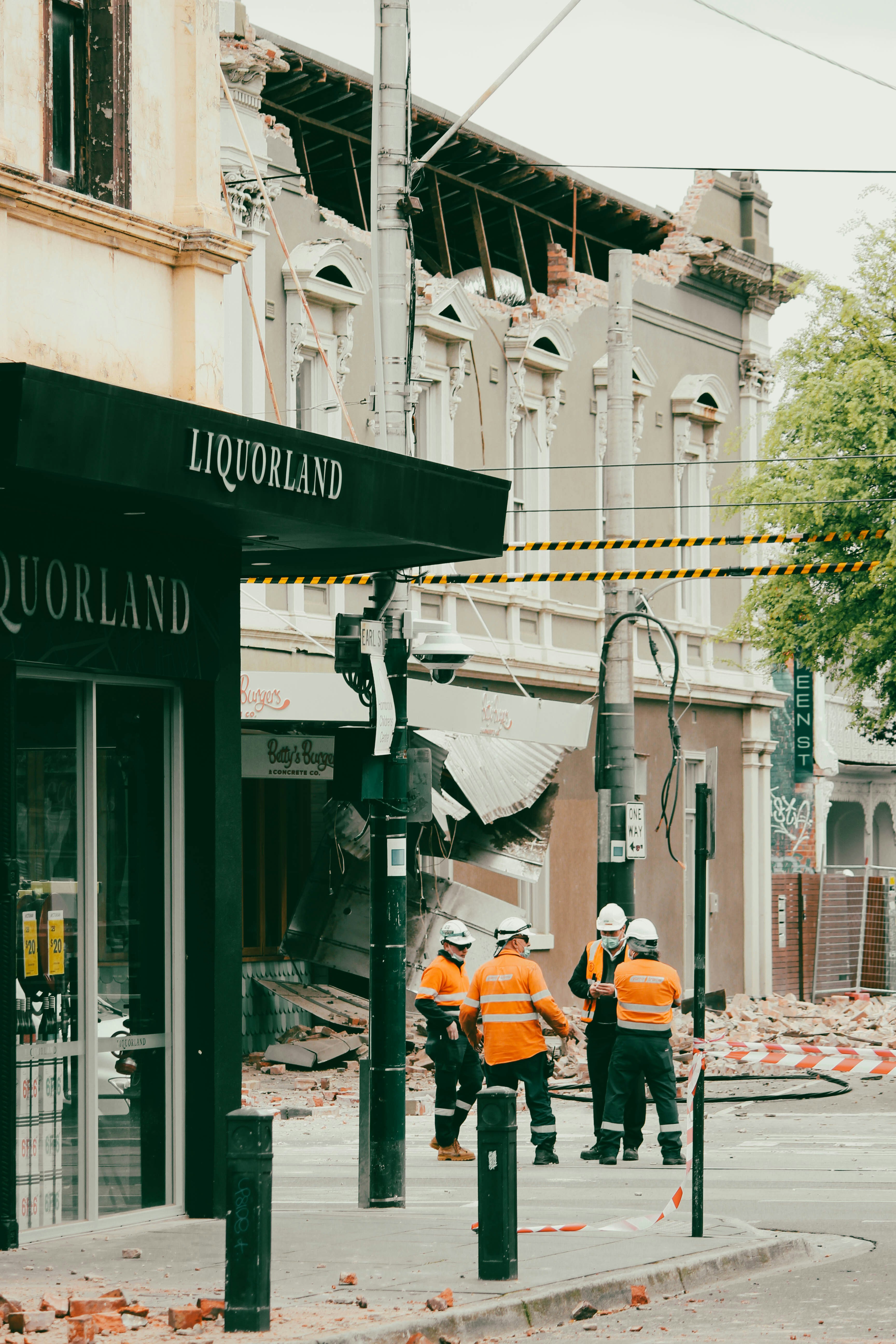
In the aftermath of an earthquake, the assessment of buildings is a major socio-economic problem [1], [2], [3]. After moderate to major earthquakes, most people tend to evacuate their building due to safety concerns [4]. Structural engineers are then called on site to assess the building and check that it is safe to re-occupy. Due to the limited number of engineers available, this assessment will not occur immediately. It might be weeks, if not months, before the building receives its first inspection, and this creates significant disruption [5].
When the assessment does take place, it generally consists of two phases: (1) initial seismic assessment and (2) detailed seismic assessment [6]. During the initial seismic assessment, structural engineers inspect the building and look for major damage and/or structural deficiencies. The building is provided with a preliminary classification from low to very high risk. Since there is large uncertainty due to the limited information available, structural engineers tend to be very conservative in their assessment [5], and this causes more buildings than necessary to be classified as high risk.
During the detailed seismic assessment phase, which takes weeks or months, structural engineers carry out a more in-depth assessment [7]. It involves acquiring the structural drawings of the building and performing a structural analysis based on estimated or measured ground motions. Furthermore, further inspections and/or laboratory tests are normally commissioned [8].
Structural health monitoring: a real solution or just an academic exercise?
The above-mentioned challenges have pushed the engineering community to investigate the feasibility of structural health monitoring (SHM) [9] - the idea of equipping buildings with sensors such as accelerometers - to measure the building response during an earthquake. The goal of SHM is to provide engineers with data about the seismic event.
While there are a significant number of research papers on structural health monitoring and its benefits, there are very few applications in practice [10], (with the exception of early warning systems, see [11]).
There are several reasons for this [12]: the complexity of the data analysis, the reliability of the current procedures/instruments, and the value for cost, to name a few. However, in our opinion, these are not primary causes. Rather they are the result of a fundamental disconnect: the way structural engineers design and assess buildings is currently different from what is provided by structural health monitoring systems.As a result, the majority of structural engineers tend to see little value in acceleration-based structural health monitoring, and therefore choose not to recommend such technologies to their clients.
We believe that this pattern can be changed, and that structural health monitoring can be highly beneficial in seismic assessment provided the data available to engineers is directly applicable to damage assessment.
From theory to practice: what should we measure?
In structural earthquake engineering, it is widely accepted that the seismic design of structures is governed by inter-storey drift limits [13], [14]. Inter-storey displacement is the difference in lateral deflection between two adjacent stories of a building subjected to lateral loads, and inter-storey drift is the inter-storey displacement divided by the inter-storey height [15].
Inter-storey drift, and therefore inter-storey displacement, is directly correlated to the definition of damage, ductility, and building performance [12], [13]. In fact, most modern design codes provide inter-storey drift limits to ensure that a building meets a certain seismic performance [16], [17], [18], [19]. This means that structural engineers design buildings to NOT exceed a particular value of inter-storey drift for a given level of seismic demand, thus ensuring that the building meets a specific performance target.
It has been a wish for a long time. Now it is a product.
While every engineer is able to interpret inter-storey drift, it is difficult to measure. As a result, most studies have focused on how to derive inter-storey displacements from accelerations[12], [20], [21], [22] or inclinometers[23].
Often these derivations require integration of the acceleration signal, numerical modeling of the building, and particular assumptions regarding the building’s structural behavior. While these methods might provide good results in a controlled environment, such as a structural laboratory, they are rarely accurate or practical for real buildings. This is because the time to carry out the analyses, as well as the uncertainty related to the modeling of the building, almost never justify the value-cost ratio of their application.
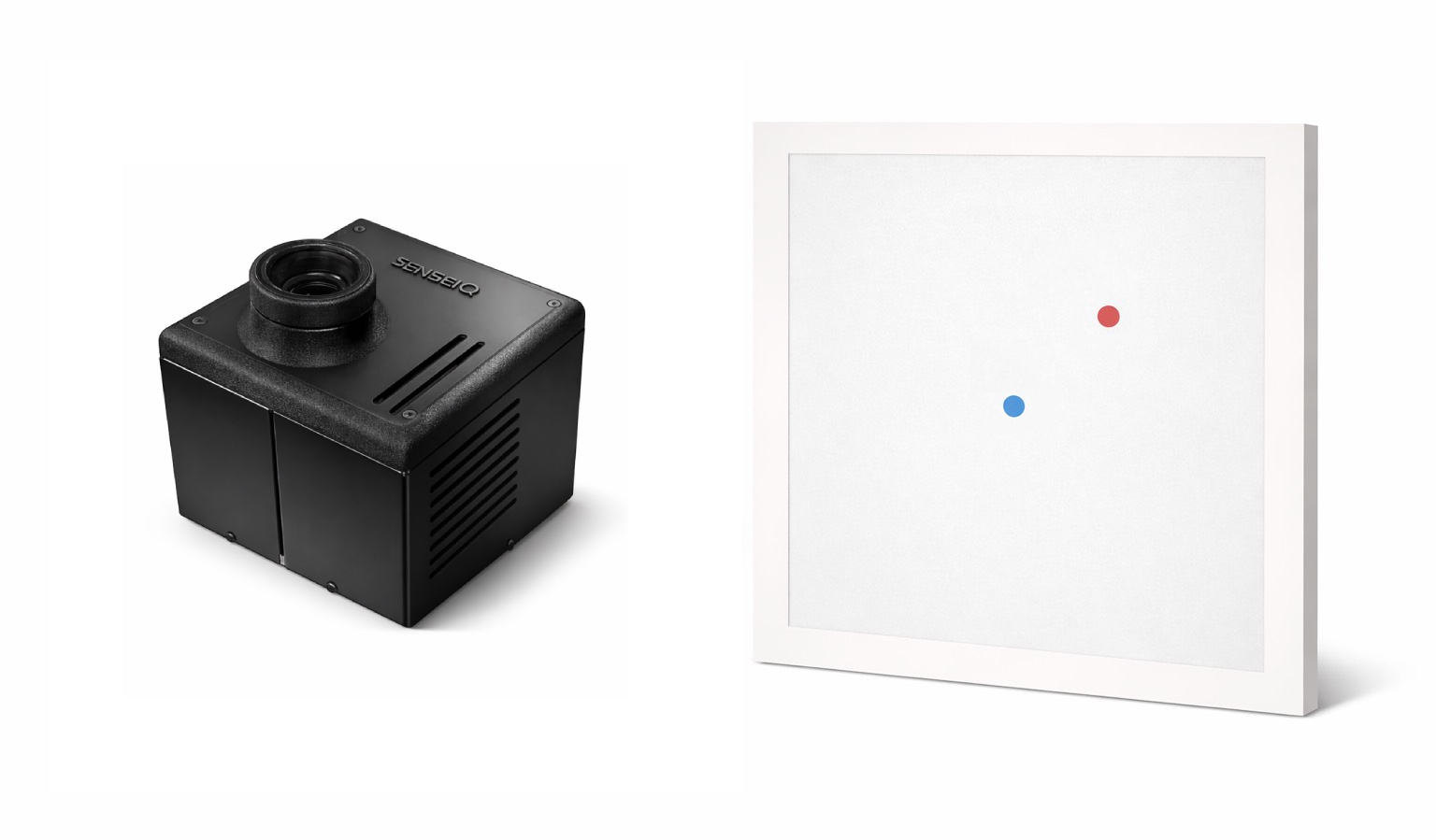
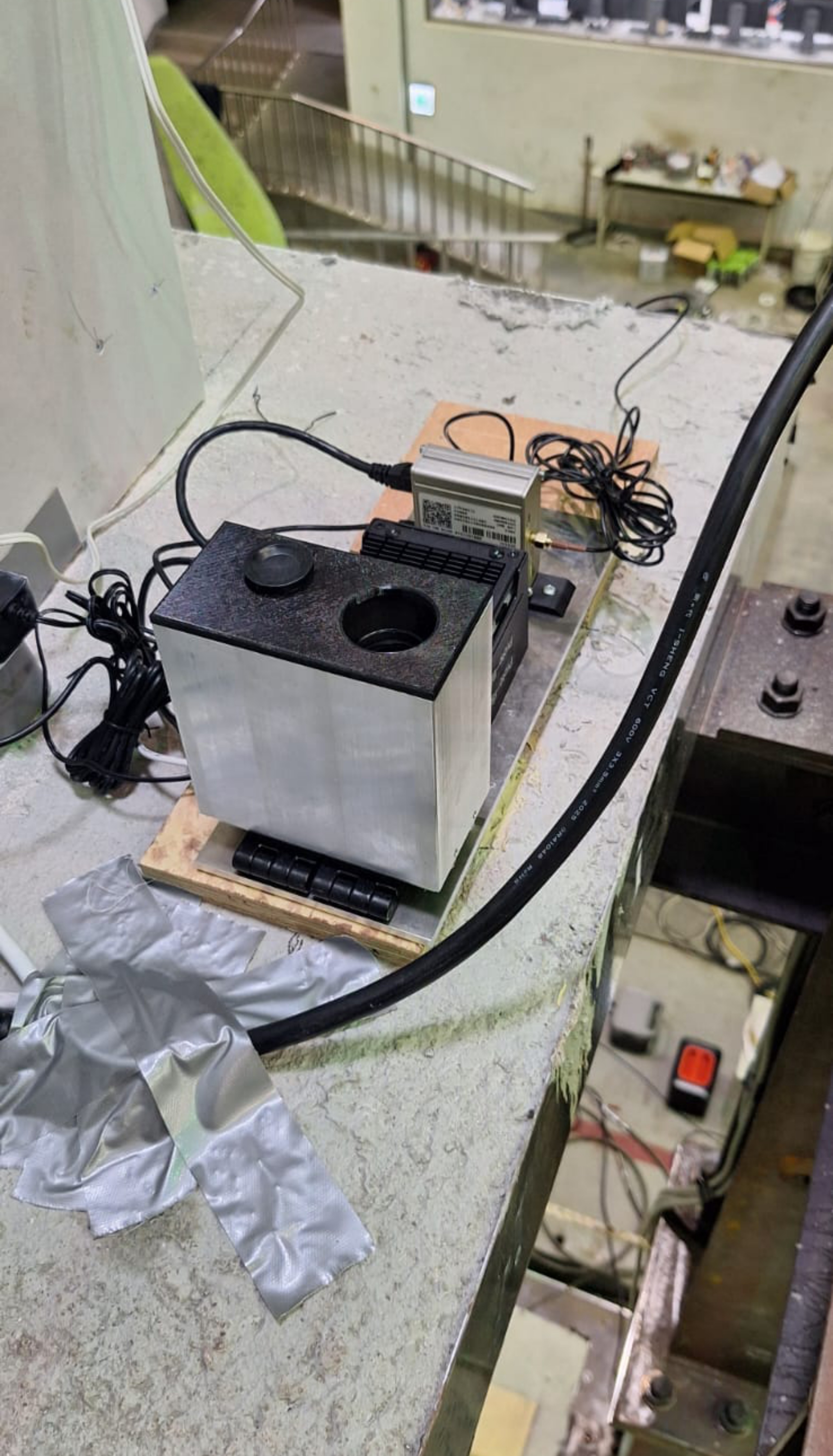
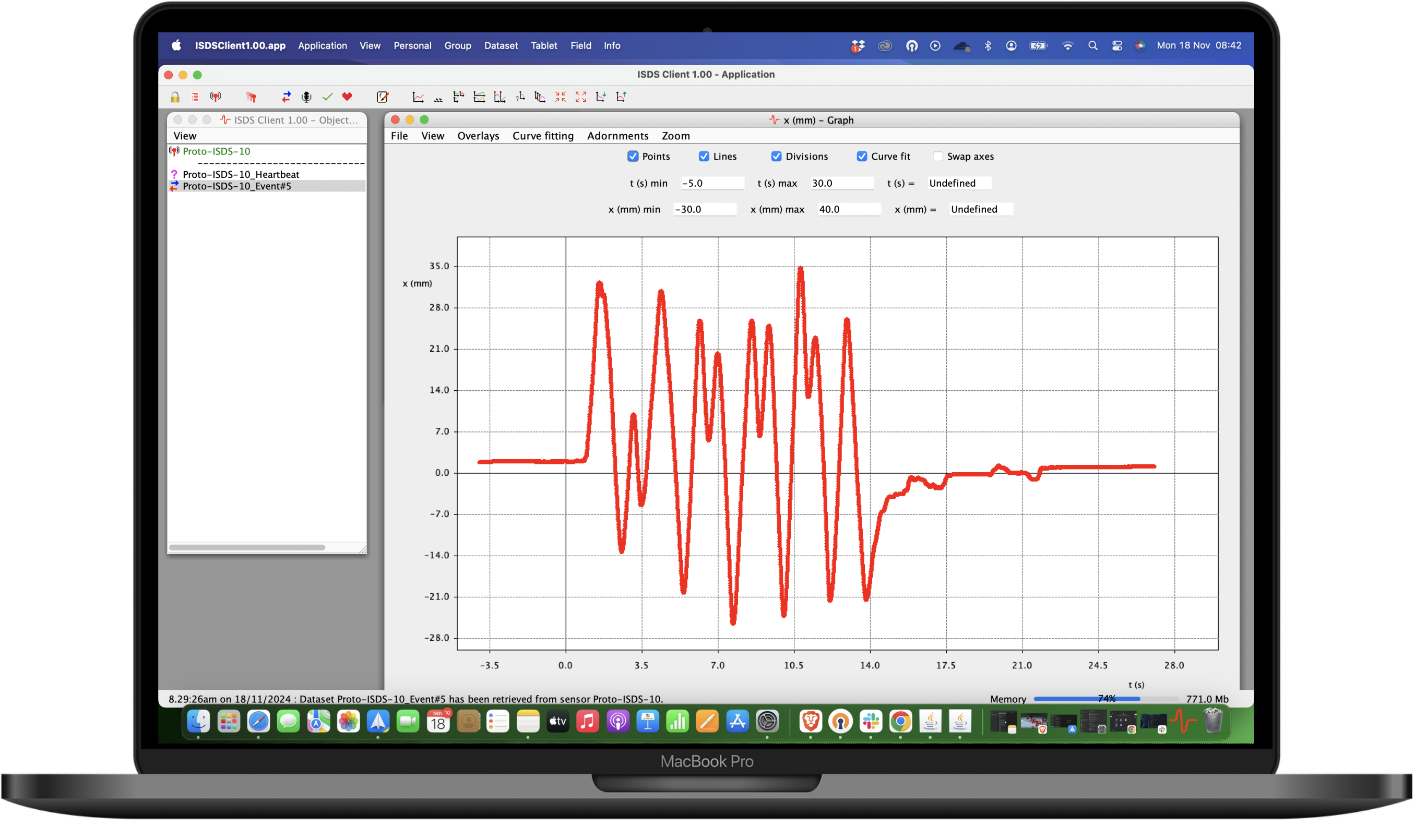
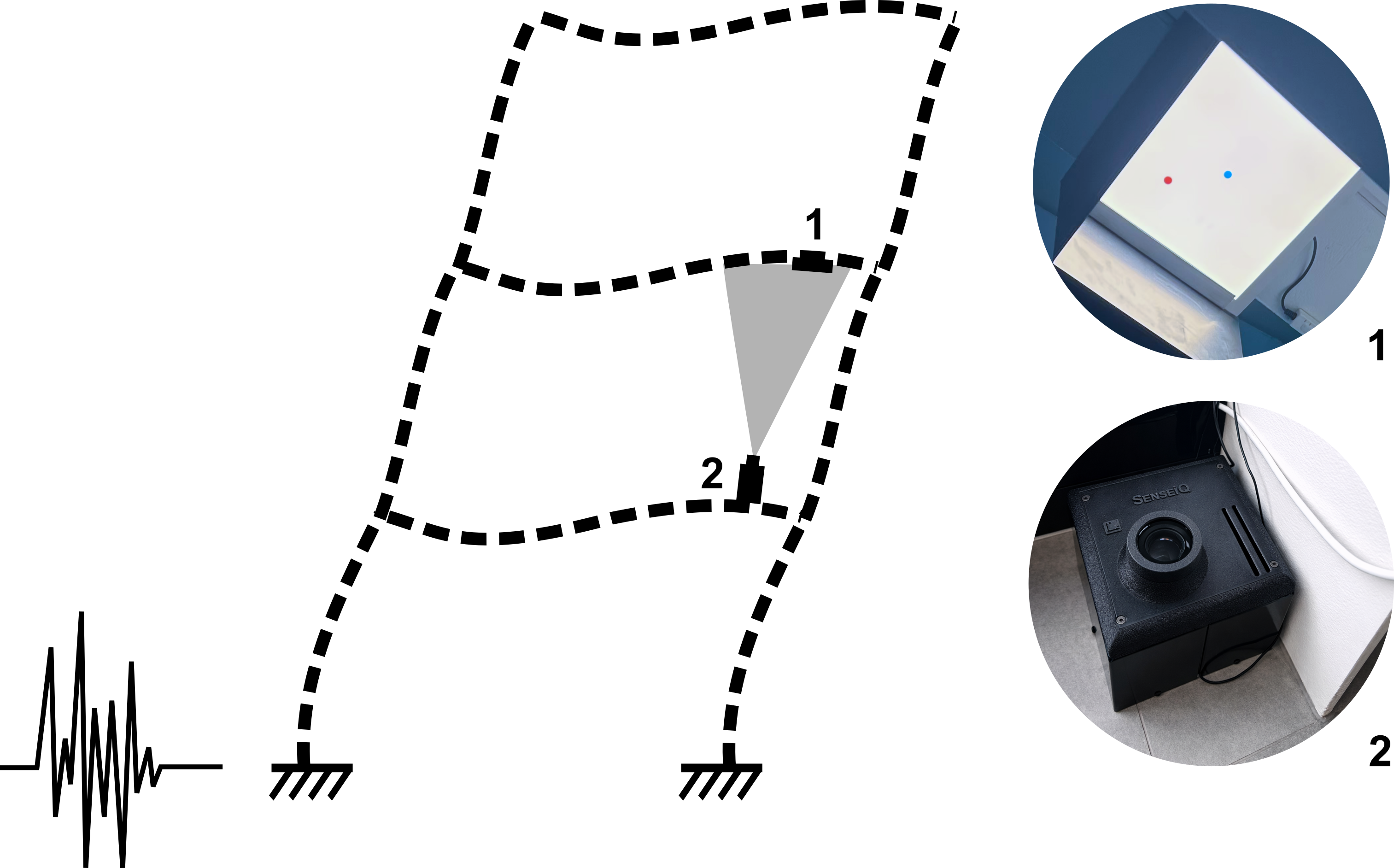
To tackle this problem, we have developed an innovative device called SenseiQ. Taking advantage of modern technologies such as computer vision, SenseiQ provides a solid and cost-effective solution to measure inter-storey displacement during earthquakes and can give an instant indication of damage directly after a seismic event.
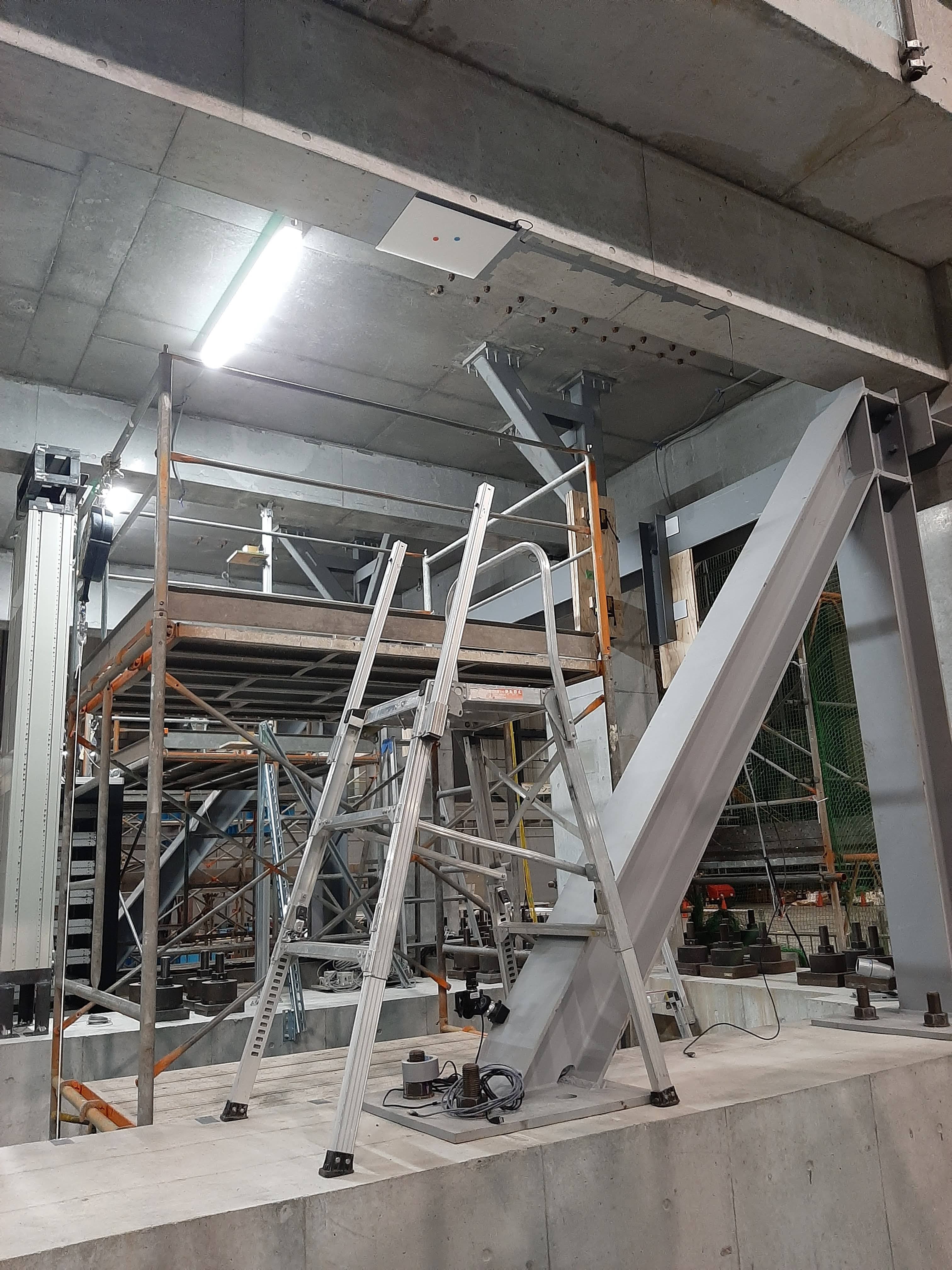
SenseiQ is a high-precision device that tracks the relative movement between adjacent floors during an earthquake. Because this movement is directly correlated to structural damage, SenseiQ provides engineers with rapid, reliable insights into a building's condition immediately after a seismic event. The system consists of two components—a sensor and a target—that are mounted on separate structural elements across adjacent floors.
Globally tested, internationally proven
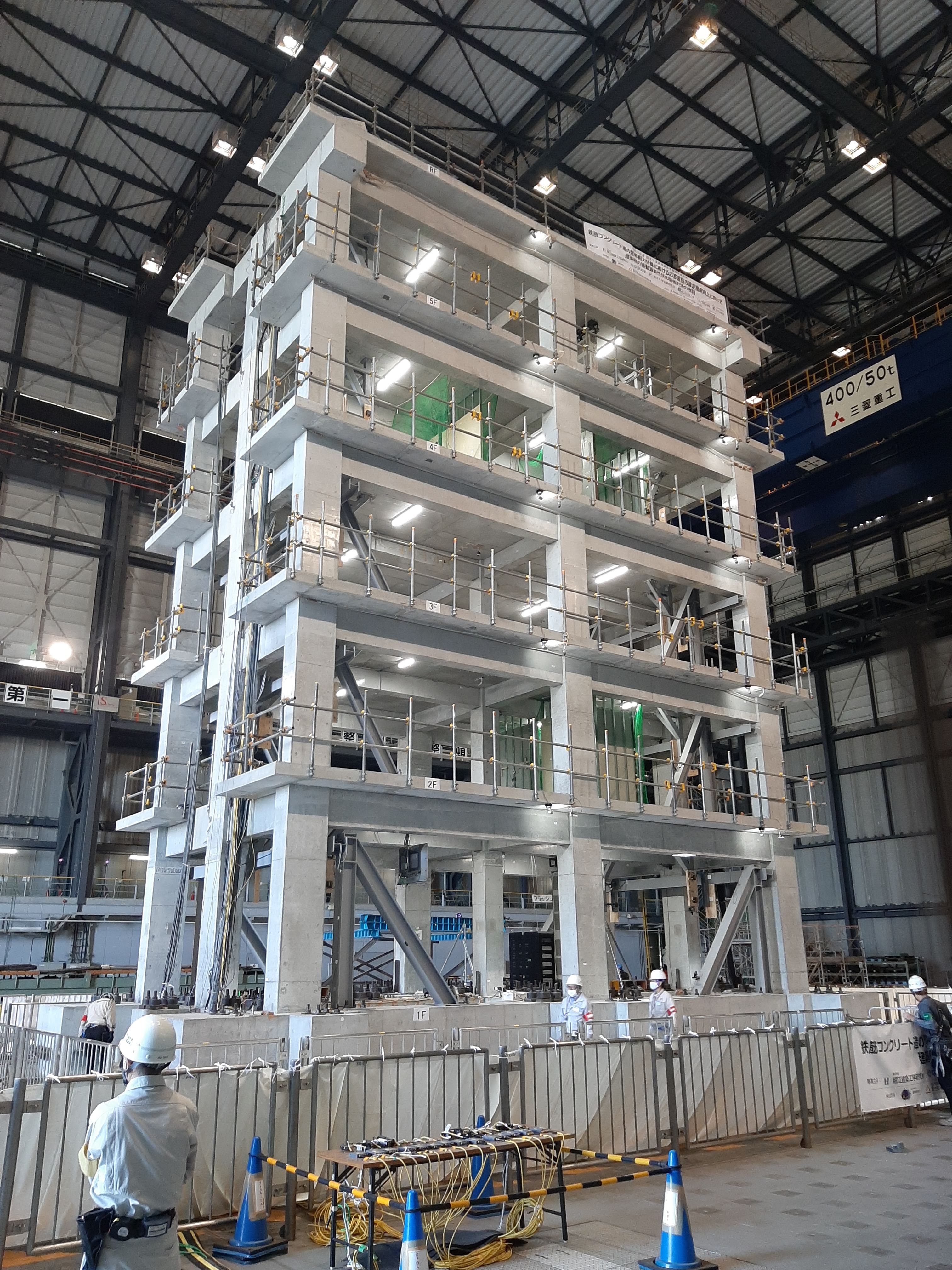
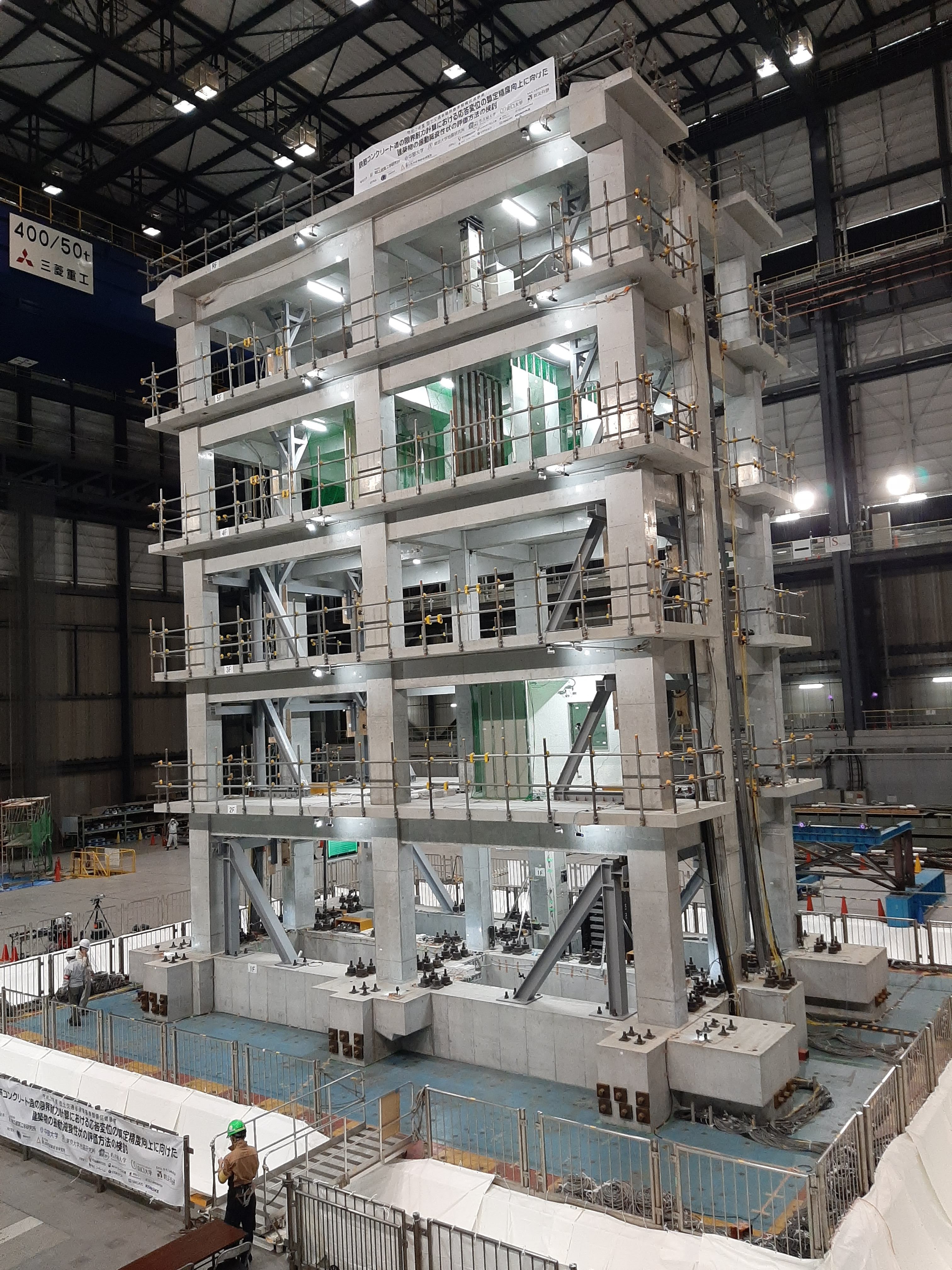
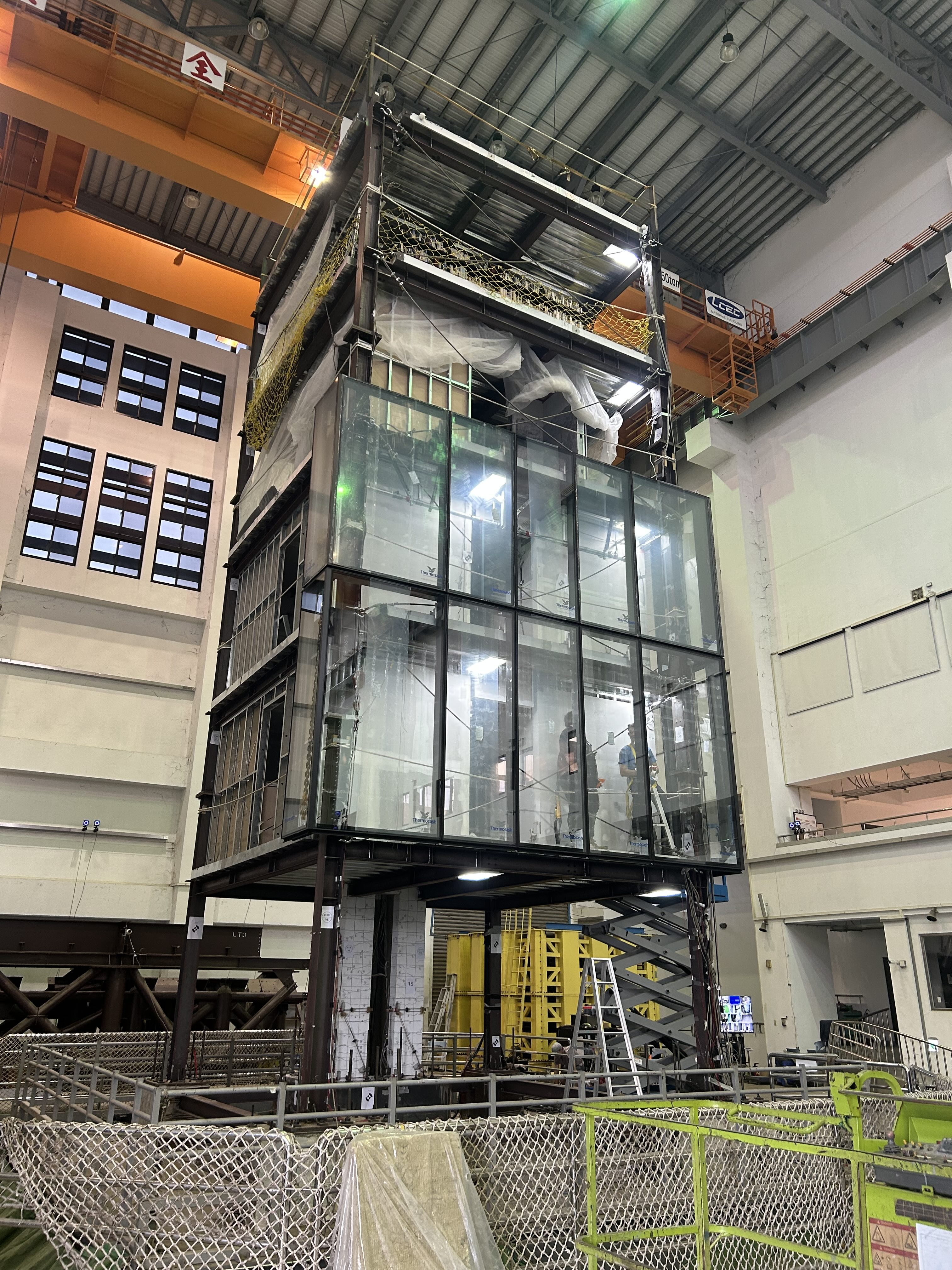
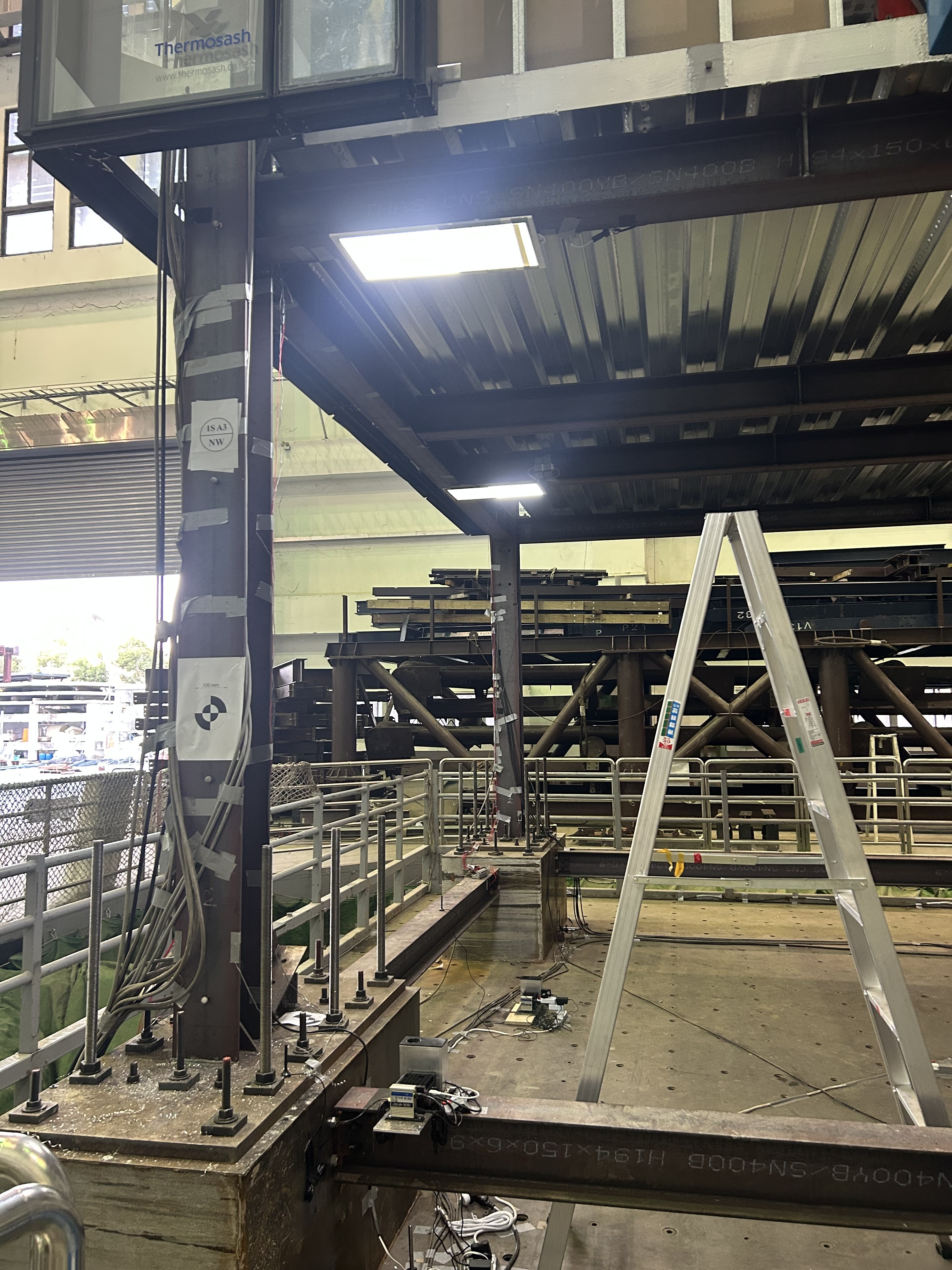
SenseiQ has been under rigorous development and testing since 2018. Its performance and accuracy have been validated through an extensive series of laboratory experiments across multiple countries, including full-scale shake table tests and pilot installations in operational buildings. The technology has been rigorously tested at world-renowned research facilities, including the University of Canterbury in New Zealand, the E-Defense shake table facility in Kobe, Japan, and the National Center for Research on Earthquake Engineering in Tainan, Taiwan. This international validation demonstrates SenseiQ's reliability and effectiveness in diverse seismic environments.